

.svg)
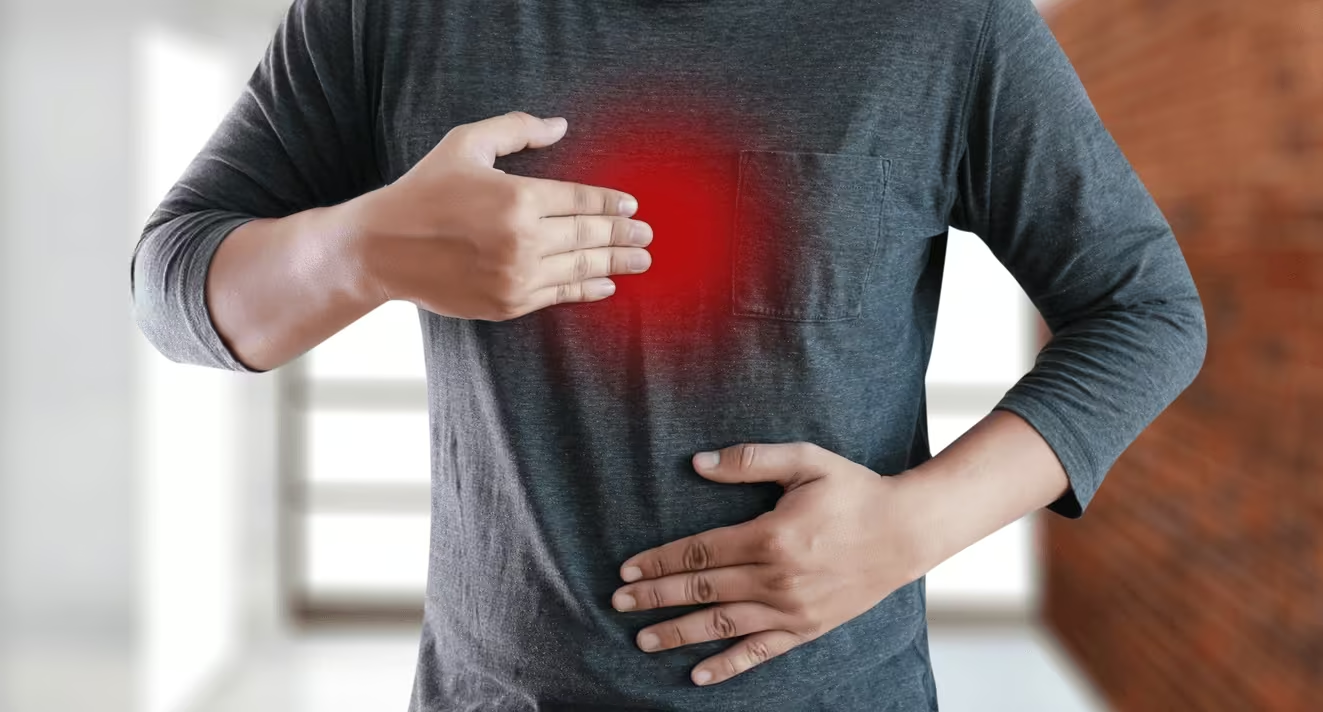
If you experience a burning feeling that creeps up your chest after a meal, tightens in your throat, and sometimes makes it hard to sleep, eat, or even get through a normal day, you may be dealing with GERD. Gastroesophageal reflux disease is one of the most commonly diagnosed digestive disorders in the United States, affecting roughly 20% of the population. It happens when stomach acid repeatedly flows back into the esophagus, and over time, that acid can cause damage to the sensitive tissues of the esophagus and throat.
The good news is that long-term acid reflux relief exists among the many treatment options. Continue reading to learn how to spot the symptoms of GERD, which foods make things worse, what home remedies may actually help, and when to see the best gastroenterologist in Los Angeles for targeted treatments.
Is GERD and Heartburn the Same Thing?
Most people have felt heartburn at some point, maybe after eating too much pizza or lying down right after a big dinner. That kind of occasional discomfort is normal and usually goes away on its own. GERD is different. It’s chronic acid reflux that is often uncomfortable enough to disrupt your life. Acid reflux is considered GERD when it occurs at least twice a week for several weeks. Usually, GERD occurs when there is a mechanical problem with your anatomy. Typically, this happens when the muscle at the bottom of your esophagus, called the lower esophageal sphincter or LES, is not closing the way it should. When that muscle is weak or relaxed at the wrong time, stomach acid travels back up into your esophagus and causes damage over time.
Beyond frequent heartburn, GERD symptoms can include:
- Chest pain
- Trouble swallowing
- A sensation of food being trapped
- Acid reaching the windpipe, which can cause coughing or hoarseness
If GERD goes untreated, it can develop into serious complications, including esophagitis, a narrowing of the esophagus, and an increased risk of esophageal cancer.
Foods That Can Trigger GERD Symptoms
Food is one of the biggest factors in how often and how severely GERD symptoms show up. Certain foods do not just irritate an already sensitive esophagus; they actually change the way your body handles acid. If you are building a GERD diet or trying to identify foods to avoid with GERD, common acid reflux trigger foods to steer clear of include:
- Citrus fruits
- Fatty or spicy foods
- Chocolate
- Caffeine
- Alcohol
- Carbonated drinks
- Peppermint
Beyond what you eat, how and when you eat play a big role, too. Smaller meals digest faster and do not stimulate as much stomach acid production, and eating dinner earlier in the evening allows gravity to help keep acid down before you lie down for the night. A good starting point is keeping a simple food diary for a week or two. Writing down what you eat and when symptoms appear can help you spot your personal food triggers.
Home Remedies for GERD Symptom Relief
There are several things you can try at home that may bring real relief, especially if your symptoms are mild. Mild GERD can often be managed with lifestyle adjustments, such as eating smaller meals and limiting spicy, fatty, or acidic foods. One of the most practical changes involves how you sleep. Elevating the head of your bed six to eight inches using blocks or a wedge pillow, and waiting at least three hours after eating before lying down, can significantly cut down on nighttime symptoms. Gravity works in your favor when your head is above your stomach, so this small adjustment can make a noticeable difference in how you feel in the morning. For patients wondering how to sleep with acid reflux or looking for nighttime acid reflux relief, this is often one of the most effective home strategies.
Some research also suggests that chewing sugar-free gum for 30 minutes after a meal may help lower acid levels in the esophagus, though peppermint and spearmint varieties are best avoided. Home remedies work best as a first line of defense and work even better when you stack a few of them together.
Medications for GERD: Over-the-Counter and Prescription Treatment Options
When home remedies are not enough, medications can help manage symptoms and, in some cases, give your esophagus a chance to heal. There are three main types to know about:
- Antacids like Tums or Maalox neutralize stomach acid on contact for fast but short-lived relief
- H2 blockers like Pepcid reduce acid production for up to 12 hours and work best when taken before meals or activities that tend to trigger symptoms
- Proton pump inhibitors (PPIs) like omeprazole are the primary medical treatment for GERD, generally prescribed over a course of four to twelve weeks, and they tend to be more effective than H2 blockers for most people. These PPIs for GERD are often part of prescription GERD treatment plans.
These medications are not without drawbacks. Long-term use of antacids can lead to side effects, including diarrhea, disrupted calcium metabolism, and a buildup of magnesium in the body, which can be especially concerning for people with kidney disease. Medication works best when it is paired with dietary and lifestyle changes. Using pills alone without addressing the root causes usually means symptoms will keep coming back.
When You Should See a Doctor for GERD Symptoms
Home remedies and over-the-counter medications help a lot of people manage GERD, but they are not the right answer for everyone. You should seek medical attention if you have:
- Heartburn more than twice a week
- Severe symptoms like chest pain, bloody vomit, or unexplained weight loss
These signs suggest something more serious may be happening. The best GI doctor in Los Angeles can run tests like endoscopy or an upper GI series to look at the condition of your esophagus and figure out exactly what you are dealing with.
If tests confirm that lifestyle changes and medication are not doing enough, surgery is usually the best option. Surgical procedures like fundoplication and the LINX reflux management system can provide long-lasting relief for people whose symptoms persist despite other treatments. Fundoplication is the most common surgery for GERD and involves wrapping the top of the stomach around the lower esophagus to tighten the junction between them, while the LINX device uses a ring of tiny magnets to keep that junction closed. Surgery for GERD is typically a minor outpatient procedure with strong success rates.
Finding the Best GERD Doctor in Los Angeles for Effective, Long-Term Relief
GERD is common, but that does not mean you have to accept it as a permanent part of your life. Whether you are just starting to notice symptoms or have been dealing with them for years without real answers, the right care can make all the difference.
At our state-of-the-art gastroenterology clinic in Beverly Hills, Dr. Basseri and our team treat GERD and acid reflux at every level. From dietary guidance and medication management to minimally invasive surgical options for patients whose symptoms have not responded to conservative care. We know that no two cases look exactly the same, which is why we build a treatment plan and don’t rely on a one-size-fits-all approach. This patient-centered care is exactly why patients come to use from West Hollywood, Santa Monica, Century City, and West LA.
Ready to get accurate answers and long-lasting relief from the best GERD doctor in Los Angeles?


